The implementation of the Common Market Protocol in force since 2010 is still facing some difficulties in the East African Community (EAC).
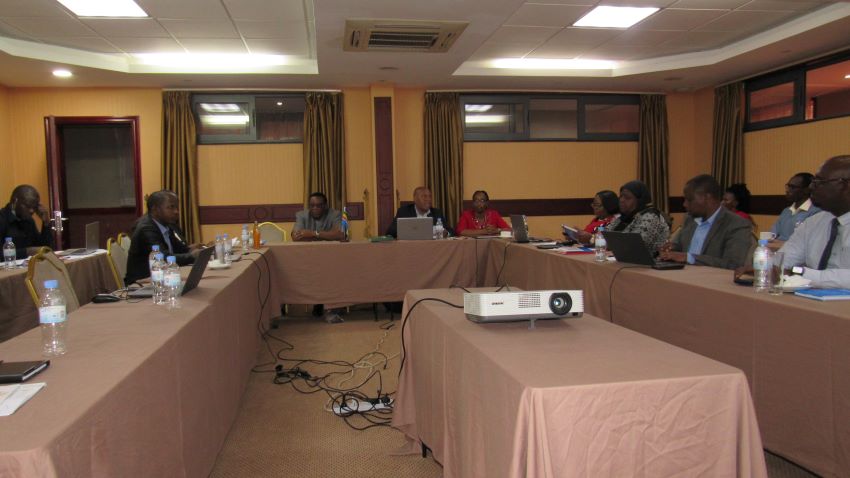
The Rwandan Members of Parliament of the East African Legislative Assembly (EALA), meeting in Kigali, have just noted, among other things, the difficulty of transferring money to another country.
A Rwandan businessman wanting to make a payment in Nairobi, for example, must first use the US dollar. It goes without saying that the current cross-border payment system in the EAC remains a handicap for the promotion of trade in the region.
There is no direct payment system. This would allow the payment of a service or goods in local currency without the use of foreign currency. The current procedure is costly in terms of time, banking transactions and related fees as well as cash for central and commercial banks.

Pan-African direct payment system coming soon
According to Chantal Tuyishimire, head of the National Committee for Trade Facilitation and the African Continental Market at the Rwandan Ministry of Trade and Industry (MINICOM), the problem is being resolved at the African level.
“A Pan African Payment and Settlement System (PAPSS) regulation is being put in place. Payment will be made in local currency. The beneficiary in a third country will receive his due in his own currency,” says Chantal Tuyishimire of MINICOM.
“PAPSS will allow the African currency to be stronger,” she points out the advantage of this system.
Some challenges to PAPSS
For Chantal Tuyishimire, the establishment of a Pan-African payment system requires the increase of intra-African trade. For the moment they are still at a low level.

One of the EALA MPs, Dr Pierre Celestin Rwigema, is pessimistic about the use of such a system. One of the requirements that he says is difficult to meet is macroeconomic convergence.
Macroeconomic convergence can stabilize the African economy by keeping it from excessive fluctuations. It aims at low and stable inflation and sustainable budget deficits. This requires similar policies in all African countries and the development of measures to regularly monitor, assess and enforce macroeconomic convergence and promote fiscal discipline in African countries.
“There are real challenges in enforcing macroeconomic convergence at the EAC level. On a continental level, it may not be feasible,” says Dr Rwigema.
Successful pilot project in West Africa
According to Chantal Tuyishime of the National Committee for Trade Facilitation and the African Continental Market at MINICOM, the African Continental Free Trade Area Secretariat (ACFTA) has already tested this payment system.
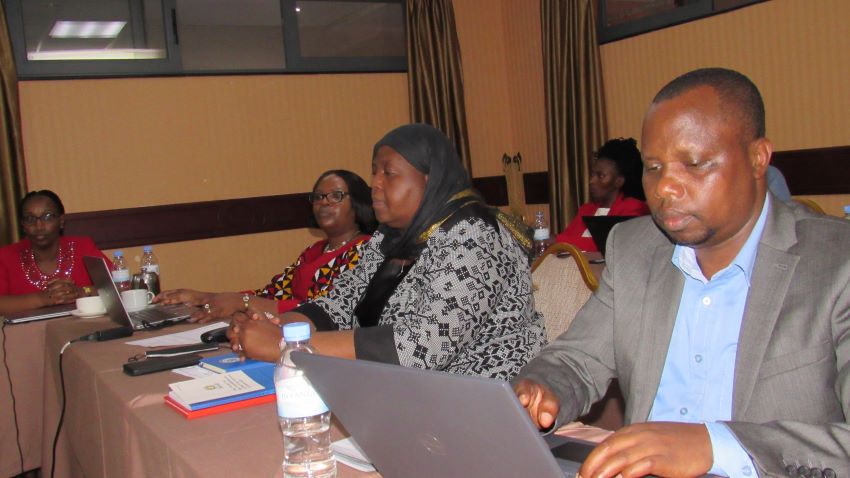
“A pilot project on PAPSS between 6 countries, namely The Gambia, Sierra Leone, Nigeria, Ghana, Liberia and Guinea was successful. The system is working well,” reassures Chantal Tuyishimire. “However, countries that are lagging behind in the exploitation of Information and Communication Technologies (ICTs) will face serious problems,” warns Tuyishimire.
A direct payment system would facilitate all the transactions necessary for the effective implementation of the common market protocol.
Gérard Rugambwa