The offices of the “Hinga Weze” project are closing this April. The achievements are numerous and significant. They remain in the hands of the population and local governments.
Ten districts of the country, among the poorest and least productive in the agricultural sector, have benefited from the support of USAID, the US Agency for International Development, through the Hinga Weze project.
The funding was $32.6 million (about FRW 33.3 billion) for a period of 5 years. This amount was used to improve the living conditions of about 735 thousand farmers.
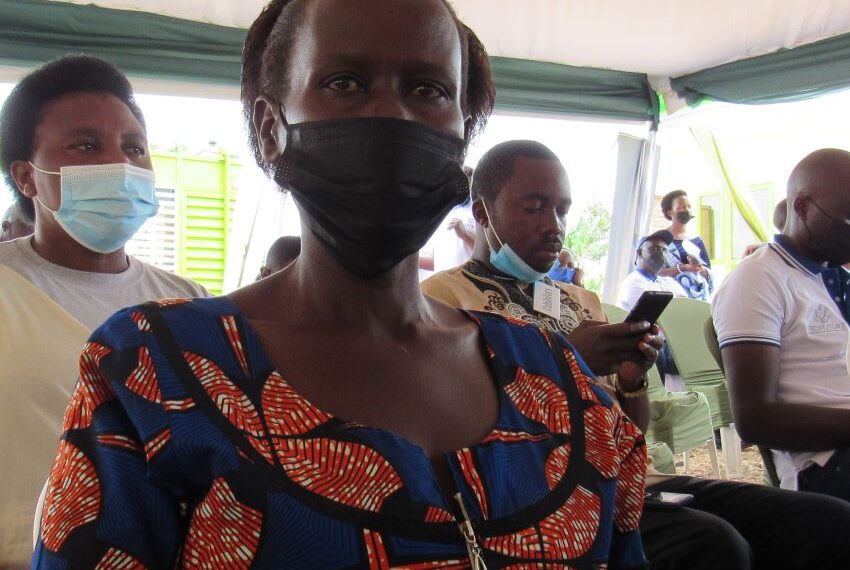
“With Hinga Weze, my life has completely changed,” says Pauline Mukamana from Taba village, Ruyonza cell, Ruramira sector, Kayonza district. “I have learned to raise layers. I have a vegetable garden at home. I raise small livestock. My children eat the meat every week,” Mukamana explains how she and her children have escaped malnutrition.
She now prides herself on being able to save and apply for credit to carry out her projects. And the arguments with her husband are forgotten. “We lead a convivial life as a family. Hinga Weze has taught us to prevent conflicts,” she says.
Gatsibo, Kayonza, Bugesera, Ngoma, in the Eastern Province; Nyabihu, Rutsiro, Ngororero, Nyamasheke, Karongi, in the Western Province and Nyamagabe in the South were targeted in this first phase of this inclusive and gender-sensitive project.

The project components were improved nutrition, productivity and market access.
“Hinga Weze will never die,” promised Dr Jean Chrysostome Ngabitsinze, Minister of State in the Ministry of Agriculture and Animal Resources. “We are closing the project offices, but we cannot lock up the beneficiaries, their emotions, their production and their know-how,” added an emotional Dr Ngabitsinze.
“Presiding over a closing ceremony of such a project is not easy. I would have liked to launch another one,” he said. “I give everyone the duty to think about the next step linking to the previous one,” he asks.

Beneficiaries can stand on their own two feet
According to Jonathan Kamin, director of USAID’s Rwanda Mission, the project is coming to an end, but the beneficiaries are taking the gains with them. Two Farm Service Centers (FSCs) have been built in Nyamagabe and Gatsibo. They were added to four other mini-centers.
The FSCs serve as a one-stop shop for a full range of inputs, services, information, finance, technology and market connections. They help farmers to participate in market-driven agricultural economies. In this way they can move from small-scale agricultural production to commercial production.
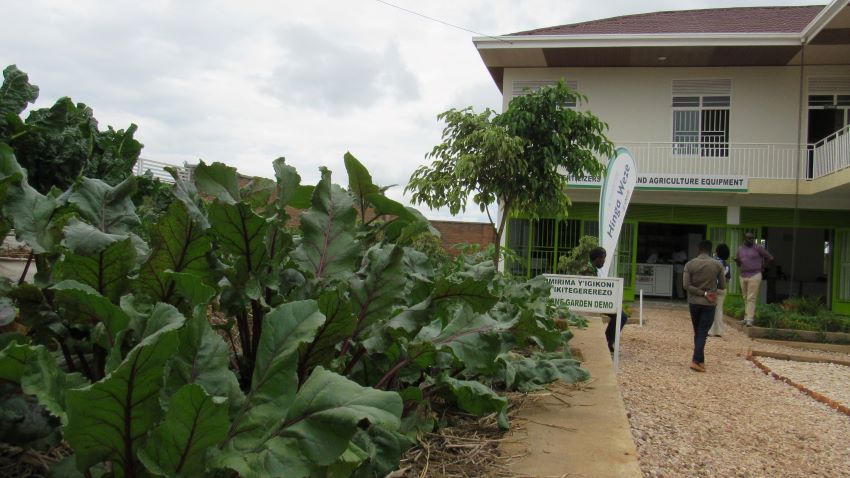
The mayor of Gatsibo, Gasana Richard, promises continued achievements in relation to the project. “This is the end of the project. The assets will be protected. We will continue to exploit them for good productivity,” he pledges on behalf of the 10 mayors heading the districts supported by Hinga Weze.
Gérard Rugambwa