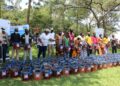
The population most affected by covid-19 of the Bwishyura sector in lockdown received each an amount of 35,650 frws offered by the Rwandan Red Cross (RRC) on 19 May 2021. This money transferred by telephone is a support that has several advantages.
The Bwishyura sector of Karongi district has been under lockdown since 06 May following the excessive increase in the number of people affected by covid-19, putting this district in the lead.
The Rwandan Red Cross, at the request of the local authority, made a cash transfer to the most affected by covid-19.
Jeannette N., from Birembo village, Nyarusazi cell, was treated with covid-19 for a fortnight. When she recovered, the Bwishyura sector was put under lockdown. She was the breadwinner of a family of five.

“This is the first time I have received anything free in my life, I don’t know what to say. I needed this money and it is a surprise for me. The gesture of the Rwandan Red Cross, … it’s extraordinary,” she says with emotion. “This money is going to help me take over the small business at the market. I can’t consume it,” she added.
Among the beneficiaries are also former free women. “We are 25 former free women who have created a cooperative, ‘Tubusezerere’. Some of us used to sell fruit, others small fish “Sambaza”, in a mobile business. Now we can’t work because we are confined,” said Clarisse Nyiranzabahimana, from Nyakigezi village, Kiniha cell.
“The support from the RRC will help us generate income. We can buy a bunch of bananas or a bag of charcoal to continue to survive because we are mothers. If we choose to buy food or drink alcohol, after a while we will have nothing. It is better to start a small business at home to continue to survive,” she suggests to her peers.
Money transfer has several advantages
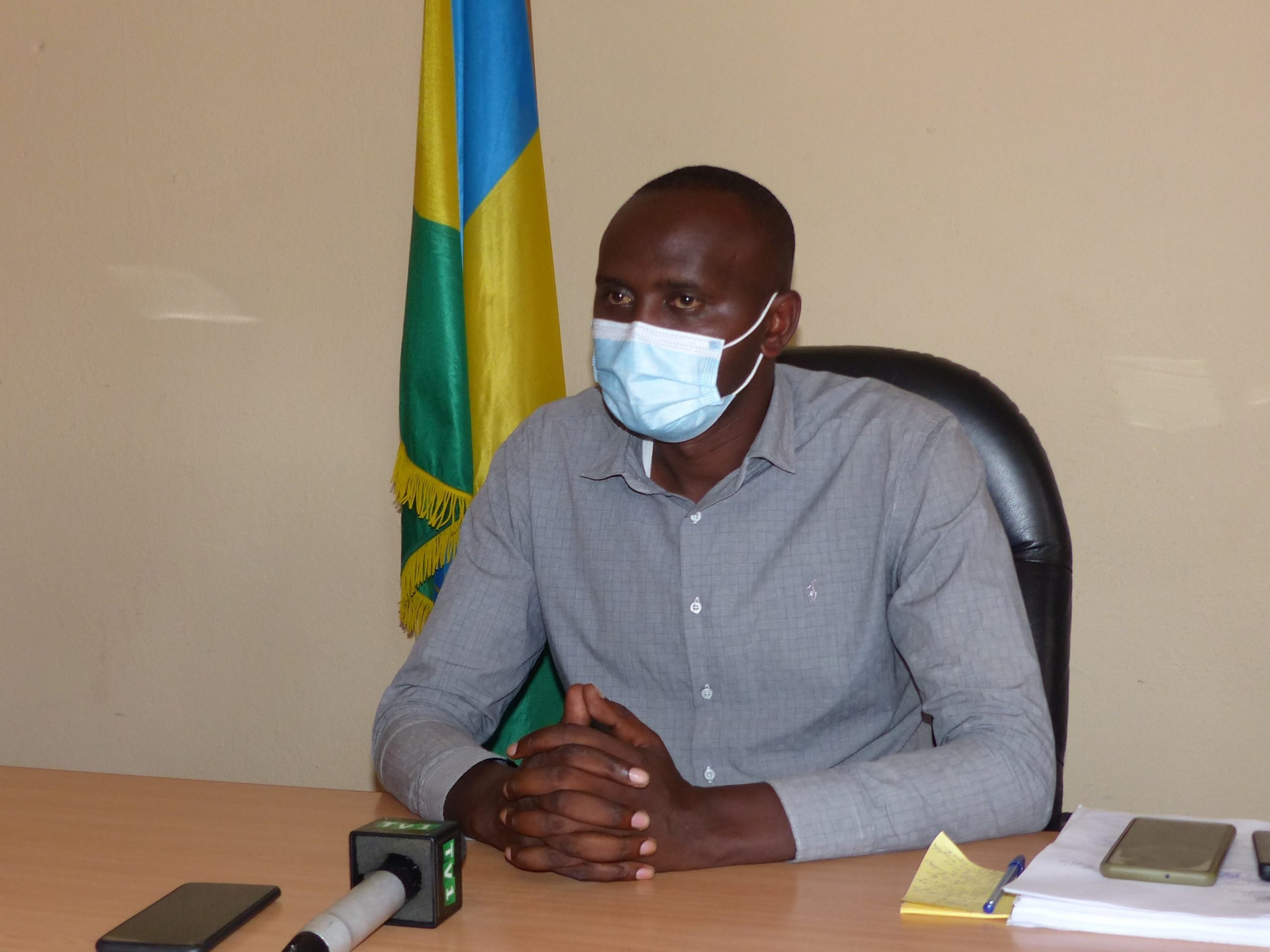
The Rwandan Red Cross (RRC) preferred to offer this population money transferred to the mobiles of the needy. “The population most affected by covid-19 has been served by money transfer. This is a good thing because it helps to prevent the spread of the coronavirus,” says the executive secretary of the Bwishyura sector, Faustin Ayabagabo.
The RRC sometimes offers food to the vulnerable but this has not been the case for Bwishyura. “The transfer of money is a policy of the RRC,” says RRC Vice President at the national level, Françoise Mukandekezi. “Sometimes people decide what kind of donation to give to the population when it does not correspond to their needs,” adds Ms. Mukandekezi. “You can give him maize flour when he needs beans, that’s why we put in place this cash transfer policy,” she explains.

“It’s good for the people but it’s also good for us. It saves us the whole process of tendering, transporting the food, distributing it and all the expenses involved. The cash transfer allows us to serve the maximum number of people in the shortest possible time,” she reveals.
During this lockdown of the population of Bwishyura, this auxiliary organization of the State will have to distribute more than 18 million Rwandan francs among 500 of the most affected people whose list has been drawn up by the decentralized authorities. This activity was supported by Belgian development cooperation through the close partnership between Rwanda Red Cross and the Belgian Red Cross, Flanders.
Gérard Rugambwa