No medicine can replace the beneficial action of walking. If practiced daily, it has several benefits for human health. It reduces the risk of certain non-communicable diseases and prevents certain cancers.
According to Dr Ernst Scheiner, no medicine, not even the most sophisticated gym equipment, can replace the beneficial action of walking.
Walking can be defined as a walk carried out with energy and rhythm. When done correctly, it improves the oxygenation and blood supply to your brain. As a result, your cognitive abilities increase.
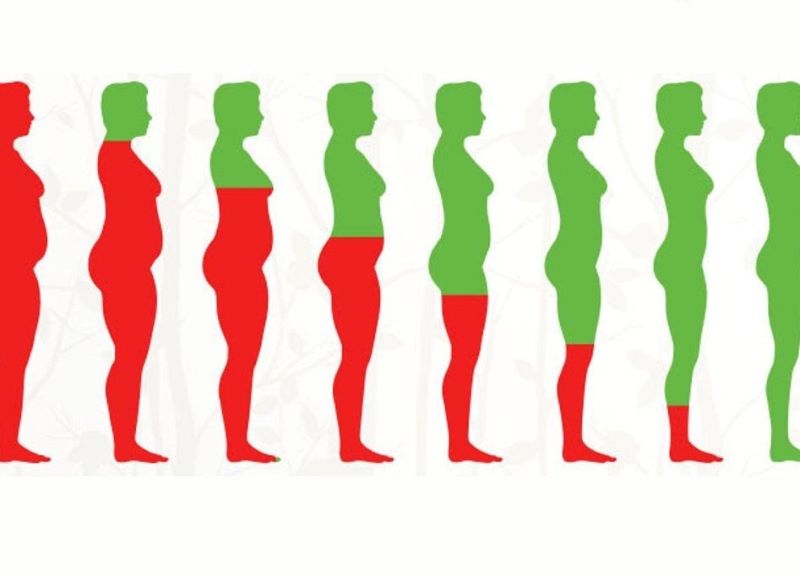
According to a study from McGill University in Canada, walking has been shown to be effective in reducing weight. The World Health Organization (WHO) recommends 10,000 steps per day to stabilize weight and prevent certain diseases. To lose weight, you need to walk three times a week for at least an hour.
Walking is also a way to prevent diabetes. Walking in the open air helps the body to use insulin better. Walking after meals is more effective against diabetes.
Thanks to the back and forth movements of the diaphragm and the abdomen, walking helps to decongest the liver, prevent constipation and facilitate digestive functions. It is suitable for hypertensive and hypotensive people because it normalizes blood pressure.
Walking also reduces the risk of several cancers. Studies by the American Society for Clinical Oncology confirm a 50% reduction in the chance of dying from breast and colon cancer.
When you walk in the sun, your body makes vitamin D. This helps your body to regain its vitality. A good supply of vitamin D makes it easier for your immune system to defend itself against external attacks, including viruses. This vitamin stimulates the growth of children, strengthens the bones, fights stress and the signs of ageing.
Walking is good for morale and can alleviate the symptoms of depression just as well as medication. Remember that depression remains the leading cause of suicide.
If you want to avoid infections, you should walk every day for 30 minutes as it strengthens your immune system. And respect the barrier measures.
Gerard Rugambwa